ABOUT THE COURSE
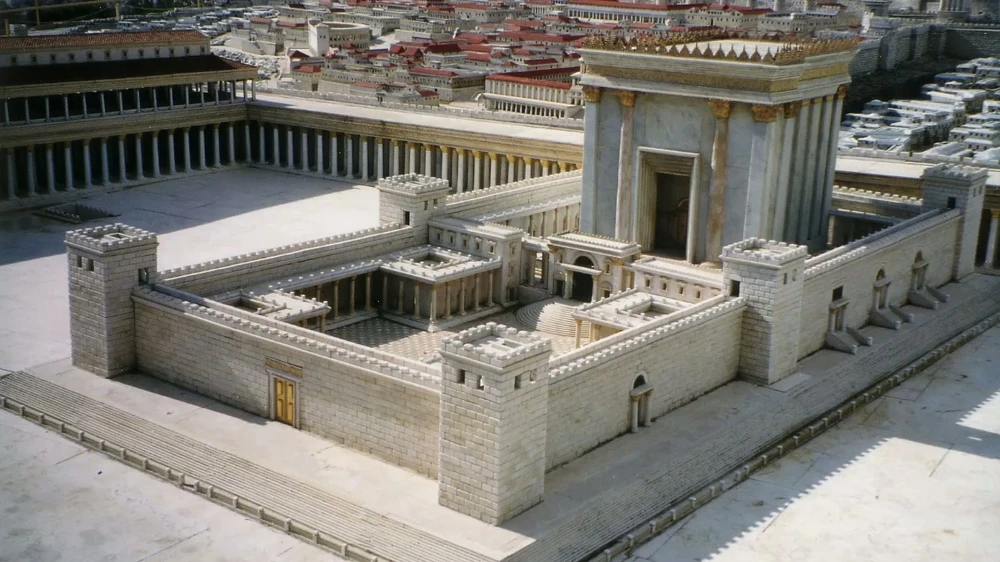
Second Temple Judaism refers to the period of Jewish history from the rebuilding of the Temple in Jerusalem (c. 516 BCE) after the Babylonian Exile to its destruction by the Romans in 70 CE. This era was crucial in shaping many aspects of Jewish religious practice, theology, and community life that continue to influence Judaism today. Key Historical Context: Persian Period (539–332 BCE): After Cyrus the Great of Persia conquered Babylon, he allowed the Jewish exiles to return to Jerusalem and rebuild the Temple, completed in 516 BCE. Hellenistic Period (332–167 BCE): Alexander the Great’s conquests brought Greek influence into Jewish life, leading to tensions between Hellenistic and traditional Jewish practices. Hasmonean Period (167–63 BCE): The Maccabean Revolt against the Seleucid Empire led to a brief period of Jewish independence under the Hasmonean dynasty. Roman Period (63 BCE–70 CE): Roman rule began with the conquest of Judea by Pompey, culminating in the destruction of the Second Temple in 70 CE during the Jewish-Roman War. Religious and Cultural Developments: Synagogues: Emerged as centers for prayer, study, and community life, particularly for Jews in the diaspora. Torah and Oral Tradition: Increased emphasis on the study and interpretation of the Torah, laying the groundwork for Rabbinic Judaism. Sectarianism: Various Jewish sects developed, each with distinct beliefs and practices: Pharisees: Emphasized oral tradition, legal interpretation, and belief in resurrection. Sadducees: Associated with the priestly class, they rejected oral tradition and focused on Temple rituals. Essenes: A monastic-like community, possibly associated with the Dead Sea Scrolls, emphasizing purity and apocalyptic expectations. Zealots: A militant group that sought to resist Roman rule. Key Texts and Literature: Septuagint (LXX): The Greek translation of the Hebrew Bible, widely used in the diaspora.